
Top Traditional Shalwaar Styles and Styling Tips
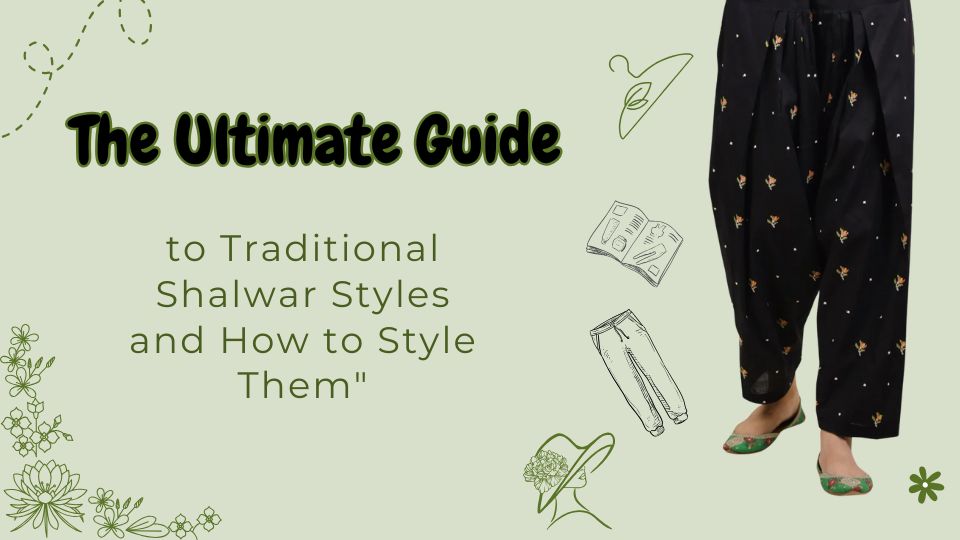
Title: “Top Traditional Shalwaar Styles and Styling Tips”
Shalwaar is a timeless staple in South Asian and Middle Eastern fashion, celebrated for its comfort, versatility, and rich cultural heritage. Whether you’re attending a formal event, dressing for a festive occasion, or enjoying a relaxed day at home, there’s a perfect shalwaar style for every scenario. From the flowing elegance of the Afghani shalwaar to the tailored sophistication of the Jodhpuri shalwaar, each design carries its own unique charm. In this guide, we’ll explore eight top traditional shalwaar styles and provide practical styling tips to help you wear them with confidence and flair.
1. Afghani Shalwaar – Traditional Shalwaar Style
What They Are:
Afghani shalwars are wide-legged, pleated trousers with a distinct, voluminous silhouette. Traditionally worn in Afghanistan by both men and women, they are comfortable, flowy, and usually crafted from cotton or silk fabrics. The shalwar tapers at the ankles, and the waistband often features elastic or a drawstring for a secure fit.
Styling Tips for Afghani Shalwaar:
Traditional Look: Pair your Afghani shalwaar with a long, embellished kurta or tunic for a classic Afghan-inspired outfit.
Modern Fusion: Combine the shalwar with a fitted jacket or crop top to create a chic fusion look. Heeled boots or sandals add elegance and height.
Accessories: Layer chunky jewelry like bracelets and necklaces to complement the wide-leg design.
2. Dhoti Shalwaar – Traditional Shalwaar Style
What They Are:
Dhoti shalwars draw inspiration from the classic dhoti worn in India and Pakistan. They feature a unique draped design, tied at the waist and flowing loosely with folds that form a “V” shape. The fabric gathers around the waist and then cascades into a tapered or flowing silhouette, making it a distinctive traditional shalwaar style.
Styling Tips for Dhoti Shalwaar:
Formal Look: Pair your dhoti shalwaar with a long kurta, sherwani, or traditional jacket for weddings or festive occasions. Complete the look with juttis or mojris.
Modern Twist: Combine with a cropped top or short tunic for a contemporary, stylish vibe.
Footwear: High heels or wedges enhance the drape and add balance to the flowy fabric.
3. Shalwaar with Drawstring – Traditional Shalwaar Style
What They Are:
Shalwars with drawstrings are a versatile traditional shalwaar style, featuring a loose, relaxed fit with an adjustable drawstring at the waist. Known for their comfort and flexibility, these shalwars can be styled in both classic and modern ways, making them a wardrobe essential.
Styling Tips for Shalwaar with Drawstring:
Casual Look: Pair with a simple t-shirt or tunic for an everyday, comfortable outfit. Complete the look with sandals or casual flats.
Dress It Up: Tuck in a fitted blouse or shirt and layer with a structured blazer to achieve a chic, contemporary style.
Layering: Add a long, flowing cardigan or kimono for a relaxed yet fashionable vibe.
4. Farshi Shalwaar – Traditional Shalwaar Style
What They Are:
Farshi shalwars are wide, billowy traditional shalwar styles that flare out from the waist and often reach the floor. Typically paired with long tunics or kurtas, they are popular in formal and festive wear. Known for their graceful, flowing silhouette, Farshi shalwars add elegance and charm to any outfit.
Styling Tips for Farshi Shalwaar:
Festive Elegance: Pair with a heavily embellished kurta or anarkali for weddings or celebratory events. Traditional sandals or heels complete the sophisticated look.
Casual Vibes: For a laid-back outfit, pair with a simple short tunic and flats for comfort.
Focus on the Waist: Add a waist belt to define your waistline and create a more structured appearance, especially with the flowy design.
5. Straight-Leg Shalwaar – Traditional Shalwaar Style
What They Are:
Straight-leg shalwars are a structured traditional shalwaar style that falls straight from the waist to the ankles, similar to tailored trousers. Compared to other shalwar types, they are more formal and polished, making them perfect for business, office, or formal occasions.
Styling Tips for Straight-Leg Shalwaar:
Office Ready: Pair with a fitted button-down shirt or blouse for a professional and sharp look. Complete with heels or loafers.
Casual Look: Pair with a loose tunic or long shirt and sandals for a relaxed yet stylish outfit.
Layering: Add a long, tailored coat or jacket to create a sleek and chic silhouette.
6. Balochi Shalwaar – Traditional Shalwaar Style
What They Are:
Balochi shalwars are a traditional shalwaar style from the Balochistan region of Pakistan and Iran. Known for their very loose and flowing fit with an elasticated waistband, they are typically paired with kurtas or shirts. Comfort and ease of movement make Balochi shalwars a popular choice for both casual and traditional wear.
Styling Tips for Balochi Shalwaar:
Traditional Wear: Pair with a long Balochi-style kurta or embroidered tunic for an authentic look. Traditional footwear like khussas or sandals completes the outfit.
Boho Vibes: For a modern twist, pair with a loose, casual top and add layered jewelry to enhance the bohemian feel.
Footwear Flexibility: The flowing design works well with both sandals and closed-toe shoes, offering versatile styling options.
7. Patiala Shalwaar – Traditional Shalwaar Style
What They Are:
The Patiala shalwar is a classic traditional shalwaar style known for its pleated design that creates a voluminous, flared silhouette. It features a deep waistband and multiple pleats, typically paired with short or long kurtas. This style combines elegance with comfort, making it a favorite in Punjabi fashion.
Styling Tips for Patiala Shalwaar:
Traditional Look: Pair with a short kameez or kurta for an authentic Punjabi outfit. Complete the look with juttis and a dupatta.
Modern Twist: Tuck in a fitted blouse or crop top for a contemporary look, perfect for night outs or festive events.
Comfort First: Patiala shalwars are highly comfortable, so opt for breathable fabrics like cotton or silk depending on the occasion and weather.
8. Jodhpuri Shalwaar – Traditional Shalwaar Style
What They Are:
The Jodhpuri shalwar is a structured traditional shalwaar style originating from Rajasthan. It features a straight-leg design with elegant pleats, a high waist, and a tapered fit at the ankles. Typically worn with a Jodhpuri jacket or sherwani, this style is synonymous with royal elegance and formal occasions.
Styling Tips for Jodhpuri Shalwaar:
Royal Touch: Pair with a fitted, embellished sherwani or jacket for a regal look at weddings or formal events.
Sleek and Modern: For a contemporary, fashion-forward style, combine with a tailored jacket and stylish shoes to create a structured silhouette.
Footwear: Traditional juttis or leather shoes complement the rich, royal appearance of the Jodhpuri shalwar perfectly.
Conclusion – Styling Tips for Traditional Shalwaar
Each traditional shalwaar style brings its own unique charm, allowing you to blend classic and modern fashion sensibilities. From the flowing elegance of the Farshi shalwar to the structured sophistication of the Straight-Leg and Jodhpuri shalwars, these trousers are a versatile wardrobe essential.
By understanding the history and characteristics of each shalwaar style, you can mix traditional designs with contemporary pieces to create outfits that are both stylish and comfortable. Whether you’re attending a wedding, heading to the office, or enjoying a casual day out, these 8 top traditional shalwaar styles can be effortlessly adapted to reflect your personal style.